
Concrete Patios
Create the perfect outdoor living space with a beautiful concrete patio designed for Maryland entertaining and relaxation.
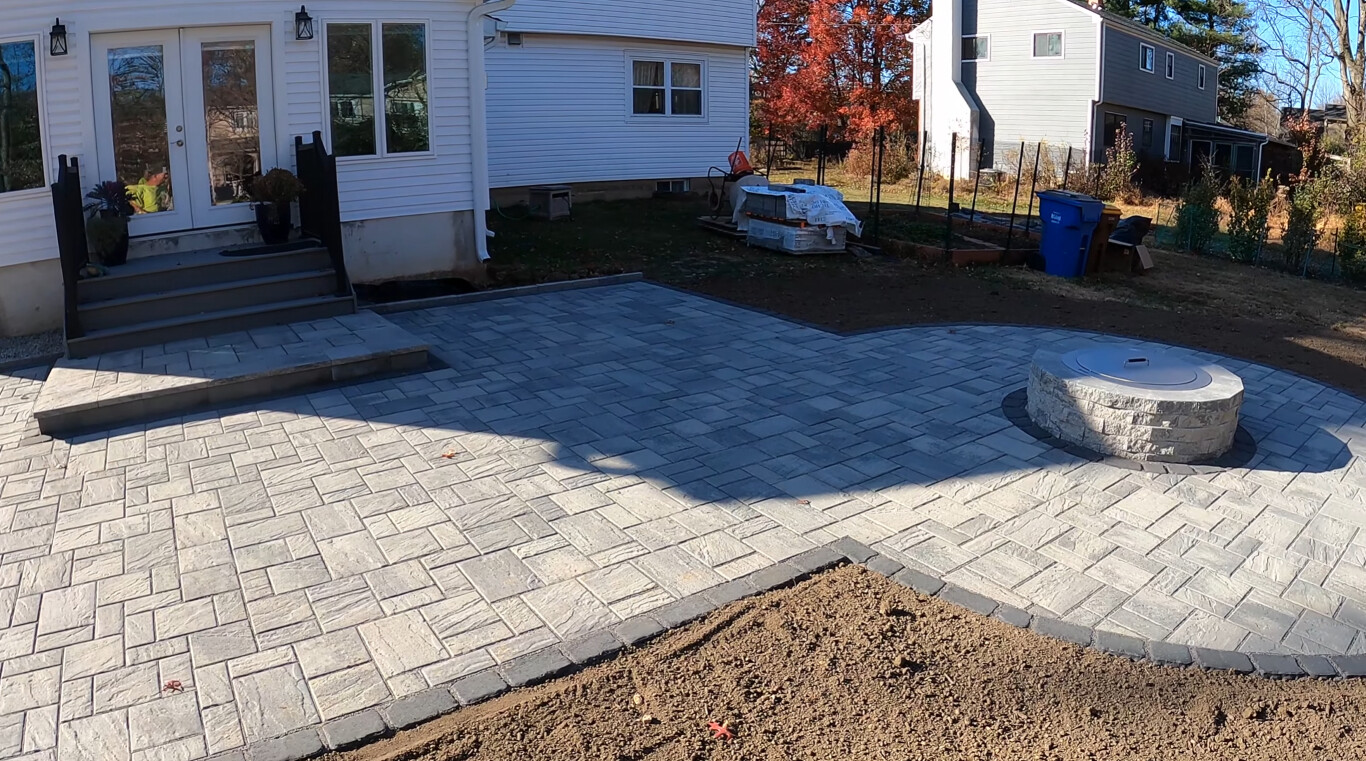
Transform Your Backyard with a Concrete Patio
Your backyard deserves to be more than just grass. A concrete patio creates an outdoor living space where you can entertain guests, enjoy family meals, or simply relax after a long day. Here in Wheaton and throughout Montgomery County, we've installed hundreds of concrete patios that transform ordinary backyards into functional outdoor rooms.
Concrete patios offer the best combination of durability, affordability, and design flexibility. Unlike wood decks that rot and require constant maintenance, or pavers that shift and grow weeds, concrete creates a stable, long-lasting surface that handles Maryland's weather with minimal upkeep. You get a patio that looks great for decades without the headaches of other materials.
The design possibilities might surprise you. Modern concrete patios go far beyond plain gray slabs. You can choose from decorative finishes, custom colors, integrated patterns, and creative shapes that complement your home's architecture and landscape design. We work with you to create a patio that reflects your style while fitting your budget and outdoor living goals.
Planning Your Perfect Patio
Size and Layout
Size matters for patio functionality. A small patio might hold a bistro table and two chairs, while larger spaces accommodate full dining sets, lounge furniture, and even outdoor kitchens. We typically recommend at least 12 by 12 feet for basic seating areas, 16 by 20 feet for dining spaces, and larger dimensions if you plan to include multiple activity zones.
Shape and layout depend on your yard's configuration and how you want to use the space. Rectangular patios work well for most situations and make furniture arrangement easy. Curved or irregular shapes create more organic, flowing designs that blend naturally with landscaping. We can also create multi-level patios that accommodate sloped yards while adding visual interest.
Location Considerations
Patio location affects usability more than most people realize. Proximity to your house matters for convenience. Patios right off the back door get used more than those requiring a walk across the yard. Consider sun exposure too. Southern exposures stay sunny all day, which is great in spring and fall but can be hot in summer. Northern exposures stay cooler but might feel chilly on overcast days.
Drainage is critical for patio success. We evaluate yard slope, existing drainage patterns, and where water flows during rain. Your patio needs proper slope to shed water away from your foundation. We also identify any drainage issues that need correction before installation. Poor drainage causes problems with the patio and can damage your home's foundation.
Style and Design Options
Design choices personalize your patio and set the mood for your outdoor space. Standard brushed concrete offers a clean, classic look at the most affordable price. Stamped concrete creates the appearance of stone, brick, or tile with realistic textures and patterns. Exposed aggregate reveals natural stone within the concrete for a textured, upscale look. Colored concrete lets you coordinate with your home's exterior or create custom color schemes. Many customers combine multiple finishes, like a stamped border around brushed center sections, to add visual interest. Our decorative concrete options give you nearly unlimited design flexibility.
Installation Process
Quality patio installation follows a systematic process that ensures lasting performance:
- Site layout and marking to establish exact patio dimensions
- Excavation to proper depth based on soil conditions
- Gravel base installation and thorough compaction
- Form building to create clean edges and proper slope
- Reinforcement placement with wire mesh or rebar
- Concrete pouring with appropriate mix for outdoor exposure
- Surface finishing with your selected texture or pattern
- Control joint installation to manage cracking
- Curing procedures to develop full concrete strength
- Sealing to protect and enhance appearance
Each step matters for long-term performance. We excavate deep enough to accommodate a stable gravel base that prevents settling. The base gets compacted thoroughly because loose base material leads to cracking and settling later. Forms are set precisely to create the planned dimensions and proper drainage slope.
Concrete thickness for patios typically ranges from four to six inches depending on intended use. Standard recreational patios work fine with four inches. If you plan to place heavy items like hot tubs or plan to occasionally drive equipment on the patio, six inches provides extra strength. We recommend appropriate thickness based on your specific plans.
Timing matters for patio projects. Spring and fall offer ideal weather conditions for concrete work. Summer's heat can make finishing more challenging, though we work early mornings when possible. We avoid winter pours when temperatures drop too low for proper curing. Most patio projects take three to five days from excavation through finishing, then need about seven days before you can place furniture and use the space.
Enhancing Your Patio Space
A great patio often includes features beyond just the concrete surface. Integrated lighting makes evening entertaining possible and adds ambiance. We can create channels for low-voltage lighting during installation, which looks much cleaner than running wires later. Consider both functional lighting for safety and accent lighting to highlight landscaping or architectural features.
Built-in seating or planter walls add functionality while defining the space. Low concrete walls around the patio perimeter create seating that never needs replacing or painting. Planters bring greenery close to your living area and soften the transition between hardscape and landscape. These elements can be poured with the patio or added as separate features.
Fire pits or outdoor fireplaces create focal points and extend your patio season into cooler months. We can include provisions for fire features during patio construction, ensuring proper clearances and foundation support. Whether you want a simple fire pit or elaborate outdoor fireplace, planning these features from the start ensures everything integrates seamlessly.
Connecting your patio to other outdoor elements creates flow and functionality. A concrete walkway from your patio to the yard or garden makes sense for many layouts. If you have a concrete driveway, coordinating finishes creates a cohesive look. Many of our customers around Wheaton add multiple concrete elements in phases, building a complete outdoor living environment over time.
Maintenance and Long-Term Care
Concrete patios need minimal maintenance compared to other outdoor living surfaces. Regular sweeping keeps dirt and leaves from accumulating. Occasional washing with a garden hose or pressure washer removes grime and keeps colors looking fresh. That's about it for basic maintenance. No staining, no board replacement, no resetting pavers.
Sealing your patio every two to three years provides extra protection and makes cleaning easier. Sealer creates a barrier against stains, moisture, and weather damage. It also enhances color on decorative finishes and gives the surface a subtle sheen. We can apply sealer when we install your patio and provide resealing services later.
Winter care is straightforward. Sweep off snow when possible rather than letting it pile up. If you need to use ice melter, choose products safe for concrete rather than harsh chemicals that can damage the surface. Avoid metal shovels that might scratch or gouge the concrete. A plastic shovel or leaf blower works well for snow removal.
Watch for any settling or cracking over time. Small hairline cracks are normal and usually not concerning. However, if you notice cracks widening or sections settling unevenly, have us evaluate the situation. Early intervention prevents small issues from becoming expensive problems. Most well-installed concrete patios last 25 to 30 years or more with this basic care.
Furniture placement won't damage your concrete patio, but furniture pads under legs prevent scratching and make rearranging easier. Planters should have feet or be elevated slightly to allow drainage and air circulation underneath. Grills and fire pits need appropriate clearances from the house and any overhead structures for safety.