
Concrete Steps & Stairs
Build safe, durable concrete steps and stairs that provide reliable access while enhancing your property's entrance and appeal.
Safety and Function in Every Step
Steps are more than just a way to get from one level to another. They're a critical safety feature that needs to be built correctly. Here in Wheaton and throughout Montgomery County, we've constructed countless concrete steps for homes and businesses. Proper step construction requires precise measurements, appropriate materials, and attention to building codes that ensure safety and accessibility.
Your front entrance steps make the first impression on visitors while providing daily access to your home. Back steps connect outdoor living spaces or provide basement access. Interior stairs might lead to basements or connect split-level homes. Each application has specific requirements, and we build steps that meet those needs while lasting for decades.
Damaged or deteriorating steps create serious safety hazards. Crumbling edges, uneven treads, or wobbly railings put people at risk every time they're used. We replace failing steps with solid concrete construction that provides secure footing in all weather conditions. Well-built concrete steps handle Maryland's freeze-thaw cycles, resist wear from foot traffic, and maintain their integrity for generations.
Types of Concrete Steps We Build
Front Entrance Steps
Front entrance steps need to be welcoming while providing safe access. We design steps with appropriate rise and run measurements that feel comfortable to climb. Width matters too. Steps should be wide enough for two people to pass comfortably, typically at least four feet across. Landings at the top create space to open doors and receive deliveries. We can incorporate decorative elements like stamped patterns, colored concrete, or stone facing to enhance appearance.
Back Porch and Deck Steps
Back steps connect your home to yard, patio, or deck areas. These steps might serve casual daily use or provide the primary route to outdoor living spaces. We build them to match the formality of their setting, from simple utilitarian steps to more finished designs that coordinate with patio work. Proper drainage around back steps prevents ice buildup and water damage to your foundation.
Basement and Interior Stairs
Basement stairs require careful engineering to support loads and meet code requirements for rise, run, and headroom. We pour concrete stairs for new construction, additions, and basement finishing projects. Interior concrete stairs are exceptionally durable and can be finished with various materials including carpet, wood treads, or decorative overlays. The permanent, solid construction eliminates squeaks and movement that wooden stairs develop over time.
Garden and Landscape Steps
Sloped properties benefit from garden steps that create pathways through terrain changes. We build steps that feel organic and blend naturally with landscaping while providing safe passage. These steps might be formal and geometric or flowing and natural depending on your landscape design. Combining steps with retaining walls creates terraced gardens and usable spaces on challenging slopes. Our retaining wall expertise complements step construction for comprehensive landscape solutions.
Design Considerations and Building Codes
Building codes specify requirements for step dimensions, handrails, and other safety features. These codes exist because improper step construction creates real hazards. Rise refers to the vertical height of each step, typically between seven and eight inches for residential applications. Run is the horizontal depth of each tread, usually at least 10 inches. Consistency matters tremendously. All steps in a flight should have identical rise and run measurements.
Key design elements for safe, functional steps include:
- Consistent rise and run measurements throughout the flight
- Adequate width for comfortable passage and code compliance
- Non-slip surface texture for traction when wet
- Proper drainage so water doesn't pool on treads
- Handrails when required by code for height or location
- Landing areas at top and bottom for safe entry and exit
- Adequate lighting for nighttime visibility and safety
- Frost-protected footings to prevent heaving
We design steps that feel natural to climb. The relationship between rise and run affects how comfortable steps feel. A common formula suggests that two times the rise plus the run should equal 24 to 25 inches. This creates steps that match natural walking rhythm. Steps that are too steep feel dangerous. Steps that are too shallow feel awkward and actually increase fall risk because people misjudge them.
Handrails become required when steps exceed a certain height or number of risers. Local codes specify exact requirements. Handrails need to be installed at proper height and provide secure grip. We coordinate handrail installation with step construction or provide proper anchoring points for rails to be installed later. Many customers appreciate the added safety of handrails even when not strictly required by code.
Construction Process and Materials
Quality step construction starts with solid footings below the frost line. In our area, footings need to extend at least 30 inches deep to prevent winter frost heaving. We excavate to proper depth and pour footings that support the entire step structure. Skipping this step or using shallow footings leads to settlement, cracking, and eventual failure.
Formwork for steps requires precision carpentry. Each step must be exactly the right height and depth. We build sturdy forms that won't move during concrete placement. The forms create the step shape, so any errors in form construction become permanent errors in the finished steps. Our experienced crews build forms accurately the first time.
Reinforcement gives concrete steps internal strength. We place rebar or wire mesh strategically to resist cracking and provide structural integrity. The reinforcement also ties the steps to the footing and any adjacent structures like stoops or landings. This creates a unified structure that moves as one piece rather than separating at joints.
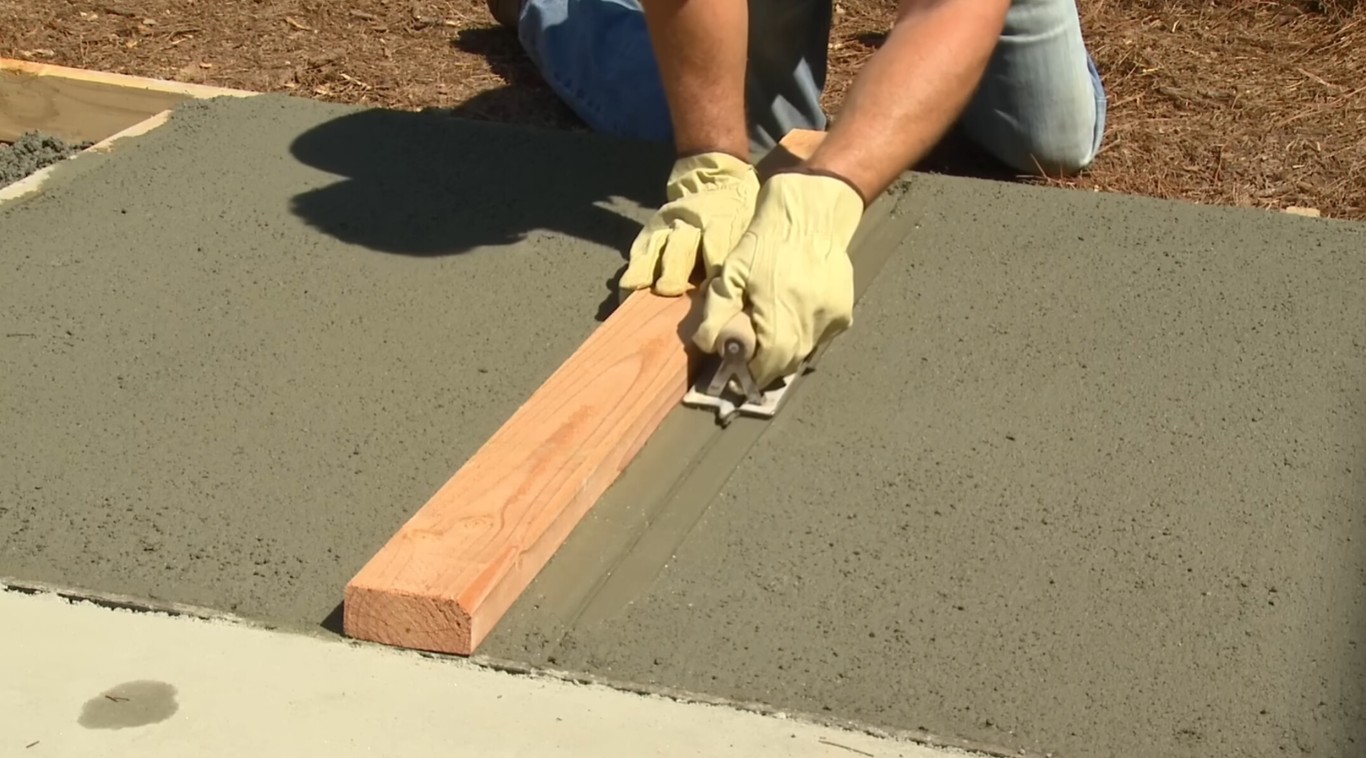
Finishing determines both appearance and safety. We create non-slip surfaces through brushing, light broom finish, or other texturing methods. Smooth trowel finishes look sleek but become dangerously slippery when wet. The edges of each tread get special attention because this is where wear concentrates and chips are most likely to develop. Proper finishing techniques create durable edges that resist damage. If you're also working on walkway projects, we can coordinate steps and walks for consistent appearance and proper connections.
Maintenance and Longevity
Concrete steps require minimal maintenance when properly built. Keep them clean by sweeping away debris and occasionally washing with water. Remove snow and ice promptly in winter, but avoid harsh deicing chemicals that can damage concrete. Use sand for traction or choose concrete-safe ice melters. A plastic shovel prevents scratches that metal shovels can cause.
Sealing concrete steps every few years provides extra protection against moisture, stains, and wear. The sealer also makes cleaning easier and can restore color to faded concrete. This small maintenance investment extends step life and maintains appearance. We can apply sealer during construction and provide resealing services later.
Watch for any cracks or damage that develop over time. Small cracks should be sealed to prevent water infiltration and freeze-thaw damage. If you notice edges chipping or corners breaking off, we can repair these areas before damage spreads. Early attention to minor issues prevents them from becoming major problems requiring expensive repairs or replacement.
Well-built concrete steps last 30 years or more with basic care. The solid construction we provide handles daily use, weather exposure, and time without deteriorating like wood or other materials. Many homes throughout Wheaton and Montgomery County have concrete steps we installed years ago that still look and function like new. This longevity makes concrete steps an excellent value despite higher initial costs compared to some alternatives.