
Sidewalks, Walkways & Flatwork
Create safe, attractive concrete walkways and flatwork that connect your outdoor spaces with lasting quality.
The Foundation of Outdoor Connectivity
Sidewalks and walkways do more than just connect point A to point B. They guide visitors to your entrance, provide safe passage through your yard, and define the flow of your outdoor spaces. Quality concrete flatwork creates these connections while adding structure and appeal to your property. Here in Wheaton and throughout Montgomery County, we've installed countless walkways that make homes more accessible and attractive.
The term flatwork refers to any horizontal concrete surface like sidewalks, walkways, paths, and floor slabs. These installations require precision and expertise because they're constantly visible and heavily used. A well-installed walkway remains level, drains properly, and maintains its appearance for decades. Poor installation shows up quickly in the form of settling, cracking, or drainage problems.
Your concrete walkways experience more foot traffic than almost any other part of your property. They need to be safe in all weather conditions, smooth enough for easy walking, and durable enough to withstand Maryland's freeze-thaw cycles. We build walkways that check all these boxes while complementing your home's style and landscape design.
Types of Concrete Flatwork We Install
Front Walkways and Entryways
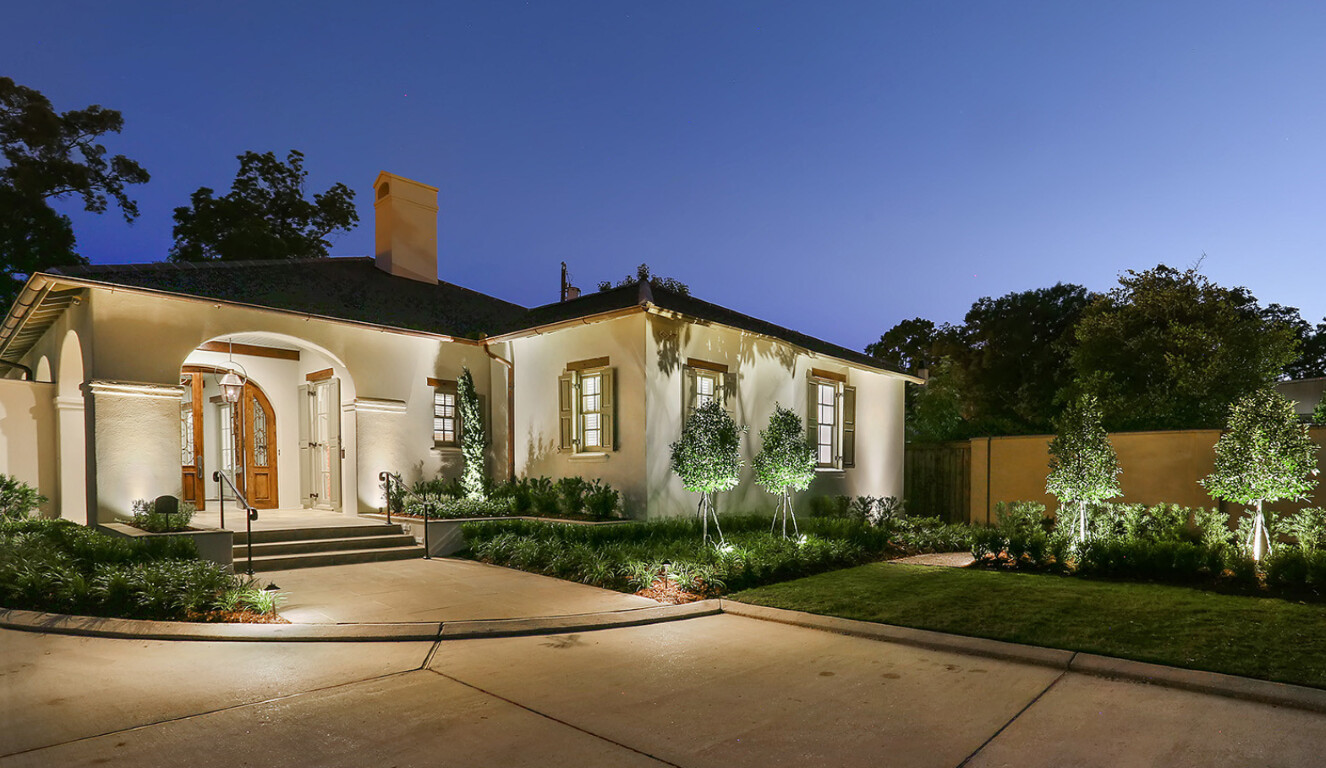
Your front walkway makes the first impression on visitors and sets the tone for your entire property. We design and install walkways that enhance curb appeal while providing safe, comfortable access to your front door. The walkway should be wide enough for two people to walk side by side comfortably, typically four to five feet. Proper slope ensures water drains away instead of pooling or creating ice patches in winter.
Garden Paths and Side Walkways
Paths through your garden or along the side of your house serve practical purposes while adding charm to your landscape. These walkways can be narrower than front walks, typically three to four feet wide. We create gentle curves that feel natural or straight paths that provide direct access to sheds, gates, or back entrances. The choice of finish can make garden paths blend seamlessly with natural surroundings.
Public Sidewalks
Many municipalities require property owners to maintain sidewalks along the street. We handle sidewalk installation and replacement that meets local codes and ADA requirements where applicable. Public sidewalks typically need to be five feet wide with proper slope for accessibility. We coordinate with local authorities to ensure compliance and obtain necessary permits.
Courtyard and Interior Pathways
Courtyards and pathways between buildings or through enclosed spaces require special attention to drainage and appearance. We create flatwork that functions well in these semi-enclosed areas while looking polished and intentional. These spaces often benefit from decorative concrete finishes that elevate the overall design.
Design and Finish Options
Concrete walkways offer surprising design flexibility. The right finish can transform a simple path into an attractive landscape feature. We work with you to select finishes that match your home's style and your maintenance preferences.
Popular finish options for walkways and flatwork include:
- Broom finish for classic texture and reliable traction
- Smooth trowel finish for a clean, contemporary look
- Exposed aggregate for natural beauty and slip resistance
- Stamped patterns that mimic stone, brick, or tile
- Colored concrete for custom coordination with your home
- Scored or cut patterns that add visual interest
Many homeowners choose to coordinate their walkway finish with their driveway or patio for a cohesive appearance. If you already have concrete driveway installation, we can match or complement that finish. The walkway doesn't need to look identical, but it should harmonize with other concrete surfaces on your property.
Borders and accent strips add another layer of design possibility. A border in a contrasting color or finish can define the edges of your walkway and create visual appeal. Some customers choose to add curved accent lines or geometric patterns that personalize their flatwork. These details don't significantly increase cost but deliver impressive aesthetic results.
Installation Process and Best Practices
Quality flatwork starts below the surface. We excavate to the proper depth and create a stable base that prevents settling and cracking. This preparation phase is especially important in Montgomery County where clay soil can cause problems if not properly addressed. A well-compacted gravel base provides drainage and stability that keeps your walkway level for years.
Proper slope is critical for walkways. We grade the surface so water runs off to the sides rather than pooling or running toward your foundation. Even a subtle slope of one quarter inch per foot makes a big difference in how well your walkway sheds water. This attention to drainage prevents ice buildup in winter and keeps the surface dry and safe.
Thickness depends on the walkway's purpose. Residential walkways for foot traffic typically need four inches of concrete. Areas where you might occasionally drive equipment or vehicles should be thicker, closer to six inches. We evaluate your specific situation and recommend appropriate thickness to ensure long-term performance without over-building.
Control joints manage how concrete naturally expands and contracts with temperature changes. We space these joints appropriately to direct any cracking to planned locations where it is less visible. The joint pattern becomes part of the overall design, creating clean lines that enhance rather than detract from appearance.
Edge details matter more than most people realize. Clean, straight edges give flatwork a professional appearance. We use proper forms and edge tools to create crisp lines and smooth transitions. Where your walkway meets grass, flower beds, or other surfaces, the edge should look intentional and finished. Our work around Wheaton concrete projects consistently demonstrates this attention to detail.
Safety Considerations
Safety is a primary concern for any walkway. Slip resistance ranks at the top of the list. We ensure adequate texture to provide traction even when wet. Smooth finishes might look sleek but can become dangerously slippery in rain or when leaves accumulate. A light broom finish offers the best balance of appearance and safety for most applications.
Trip hazards are another serious concern. Walkways need to remain level without lips or raised sections where people might stumble. This requires proper base preparation and occasionally addressing tree roots or other obstacles that could cause future heaving. We identify potential issues during planning and address them before they become safety problems.
Width affects safety too. A walkway should be wide enough for comfortable passage without feeling cramped. Main walkways work best at four to five feet wide, allowing two people to walk comfortably side by side. Narrower paths work for secondary routes but should still be at least three feet wide for safe single-file passage.
Lighting integrates with walkways to provide safe nighttime passage. We can create channels or accommodations for low-voltage landscape lighting during installation. Planning for lights from the start ensures they integrate smoothly without requiring cuts or modifications to finished concrete later.
Maintenance and Longevity
Concrete walkways require minimal maintenance compared to other materials. Regular sweeping removes dirt and debris. Occasional washing with water and mild detergent keeps surfaces looking fresh. Unlike wood decking that needs yearly staining or pavers that require resetting, concrete flatwork just needs basic cleaning to maintain its appearance.
Sealing your concrete walkways every few years provides extra protection and makes cleaning easier. Sealers create a barrier that resists stains and moisture penetration. They also enhance color on decorative finishes and give the surface a subtle sheen. The small investment in periodic sealing extends your walkway's lifespan and maintains its appearance.
Winter care involves using the right deicing products. Harsh chemical ice melters can damage concrete surfaces over time. Choose concrete-safe products or use sand for traction instead. Promptly remove snow and ice to prevent buildup, but avoid metal shovels that can scratch or gouge the surface. A plastic shovel or snow blower works better.
Watch for any settling or cracking that develops over time. Small issues are easy to fix if caught early. Cracks can be filled to prevent water infiltration and further damage. If you notice sections settling or becoming uneven, we can often correct these problems without replacing the entire walkway. Many homeowners in Takoma Park and nearby areas have discovered that proactive maintenance keeps their flatwork looking great for decades.